In this article, we aim to explain the reasons for using low voltage circuit breakers and discuss how low voltage networks are protected against faults and incidents such as short circuits, overloads, and more.
We will begin by discussing the shortcomings of fuses in protecting low voltage networks. Then, we will introduce the different types of low voltage circuit breakers and examine each one in detail, along with their specific functions and operating mechanisms.
Not too long ago, fuses were the humble and unassuming protectors of electrical circuits. Their major drawback, however, was that they were single-use, meltable devices. Despite their simplicity and low cost, they played a vital role in safeguarding human lives and electrical equipment from unauthorized currents.
But when it came to speed, reliability, and the need for advanced control features, fuses fell short. This gap led to the introduction of smarter technology with broader capabilities – and that’s where low voltage circuit breakers came into play.
They didn’t replace fuses entirely, but rather evolved as a more advanced solution for protection and control in low voltage networks. Unlike fuses, circuit breakers are adjustable, resettable, equipped with enhanced control features, and are not disposable.
Capabilities of Low Voltage Circuit Breakers
- Instantaneous tripping capability
- Delayed tripping capability
- Combination of both instantaneous and delayed tripping in certain models
Another important feature of low voltage circuit breakers is their ability to send status signals such as trip, on, or off.
Moreover, with the help of auxiliary accessories, these circuit breakers can even be connected to remote monitoring and control systems.
Let’s first review some key points about low voltage circuit breakers before exploring their different types:
- Low voltage circuit breakers are protective switching devices, also known as circuit interrupters.
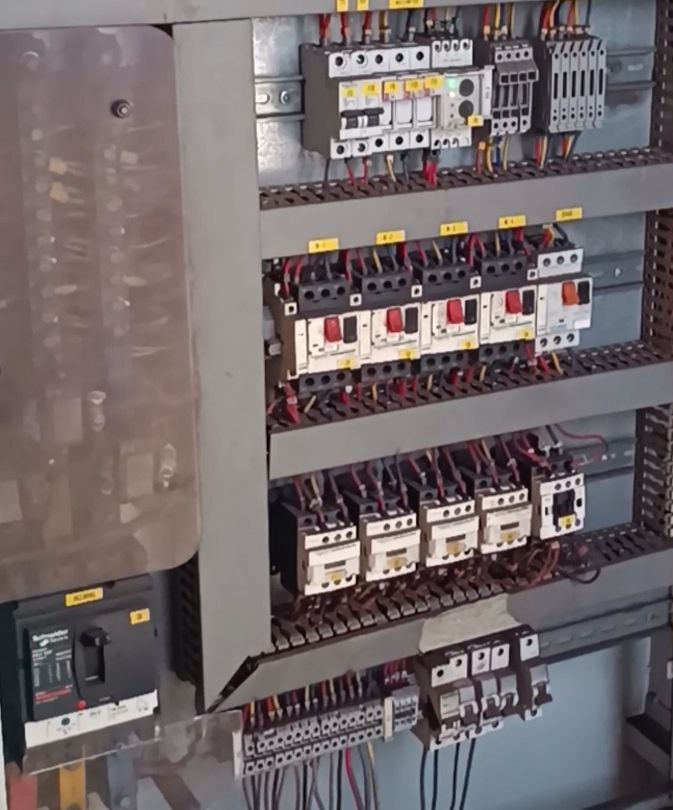
- They are widely used in small workshop panels, boiler room panels, water treatment plant panels, site cabins, and in general, low voltage distribution boards.
- Fuses are not always reliable for protection. For example, in three-phase systems, when current increases, it is sometimes necessary to disconnect all three phases simultaneously – something fuses cannot do. However, low voltage circuit breakers are designed to trip all three phases at once.
- In some low voltage systems, automatic disconnection and alarm triggering are required, or during maintenance, backup generators may need to be switched into the circuit.
- When a trip or disconnection occurs, it’s often necessary to quickly restore power to ensure uninterrupted operation. Only low voltage circuit breakers can perform this task efficiently.
- These breakers also support auxiliary accessories such as auxiliary contacts, over-voltage/under-voltage relays, shunt trip relays, and more.
Key division based on the number of bridges
- Miniature Circuit Breaker (MCB)
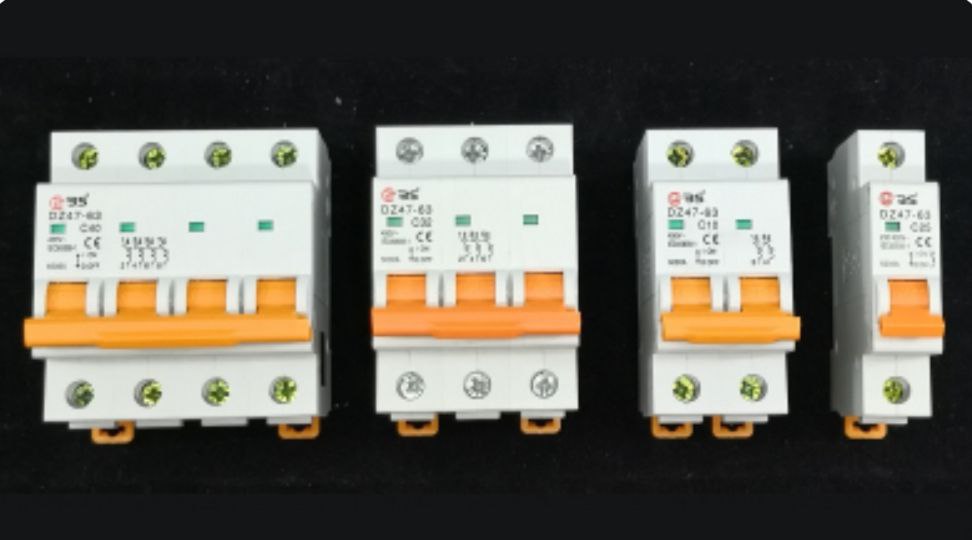
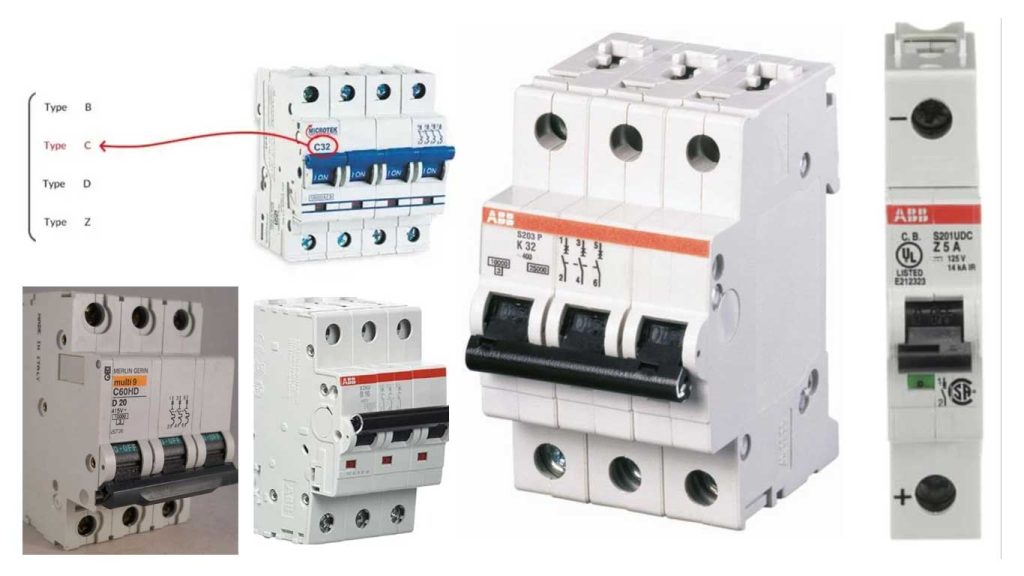
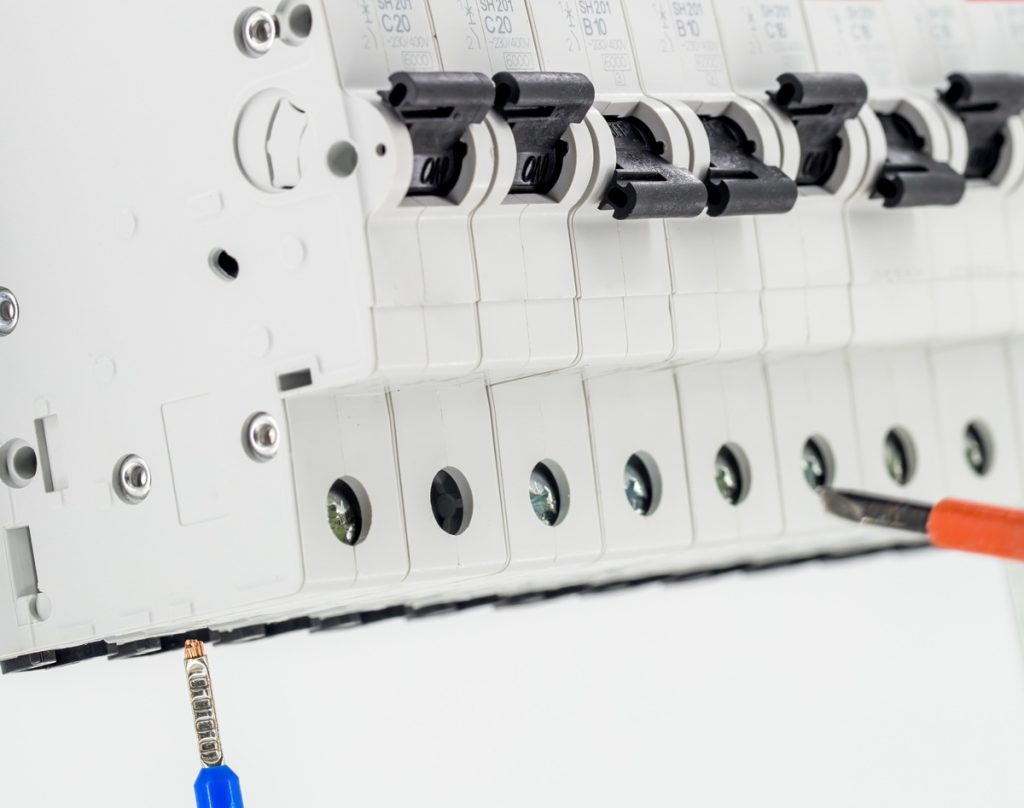
Miniature Circuit Breakers (MCBs) MCBs are used in low current applications, low-power distribution panels, and for protecting control and command circuits of electrical equipment and installations. They are commonly found in building distribution boards, such as lighting panels, temporary distribution boards, site cabins, and more.
However, MCBs are categorized by different standards based on their application:
- Residential/Building MCB standard: IEC
60898 - Industrial MCB standard: IEC 60898-1
MCBs are manufactured in current ratings ranging from 0.5 amps to 125 amps. They are classified by the number of poles into single-pole, double-pole, triple-pole, and four-pole models:
- Single-pole and double-pole MCBs are typically used in single-phase systems.
- Triple-pole and four-pole MCBs are designed for three-phase networks.
However, there are two types of four-pole MCBs:
- Three-pole + Neutral (3P+N): This type protects only the three phase conductors and does not provide protection for the neutral.
- Four-pole (4P): This type provides protection for all three phases and the neutral conductor.
Miniature Circuit Breakers (MCBs) are manufactured for use in both AC (alternating current) and DC (direct current) applications. There are two important points to consider:
- DC-rated MCBS can be used in AC circuits, but AC-rated MCBs must not be used in DC circuits.
- AC MCBs should never be used in solar panel systems, because solar panels generate DC power, and AC breakers cannot provide protection for DC circuits. Unfortunately, this critical requirement is often overlooked in many projects.
Key Information Found on MCB Nameplates:
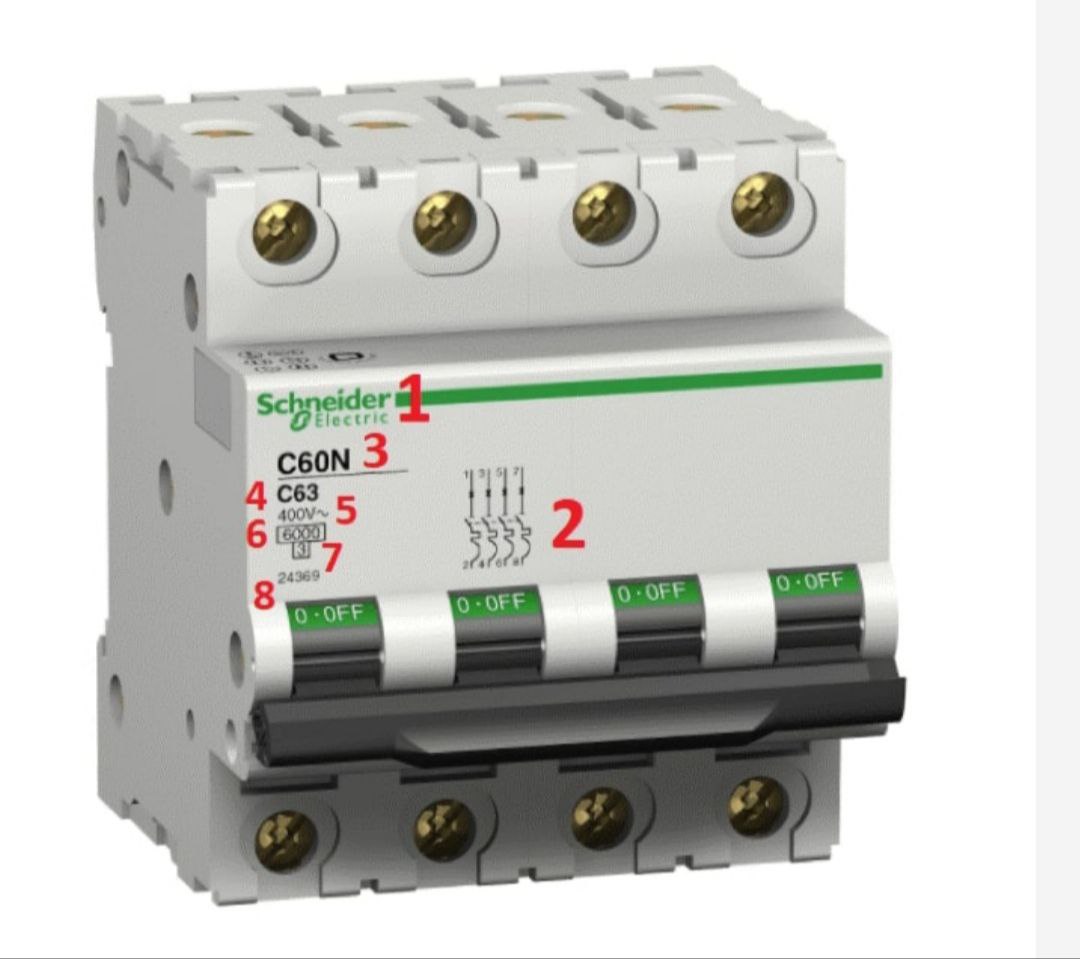
- Manufacturer name
- Wiring diagram or technical schematic
- Model number
- Type and rated current of the breaker
- Rated voltage
- Breaking capacity (short-circuit interrupting capacity)
- Energy class (usually related to efficiency or performance level)
- Catalogue or reference number
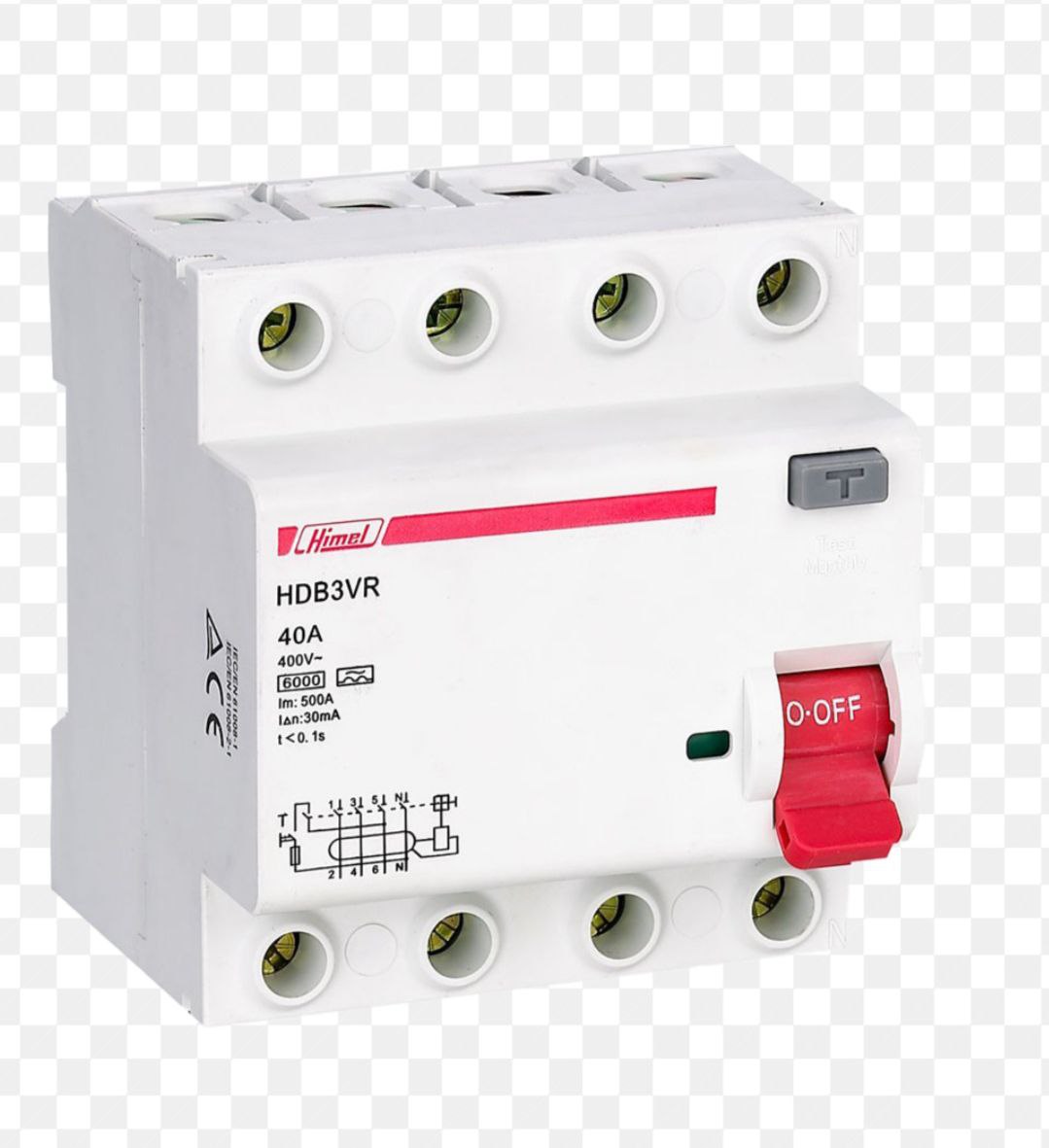
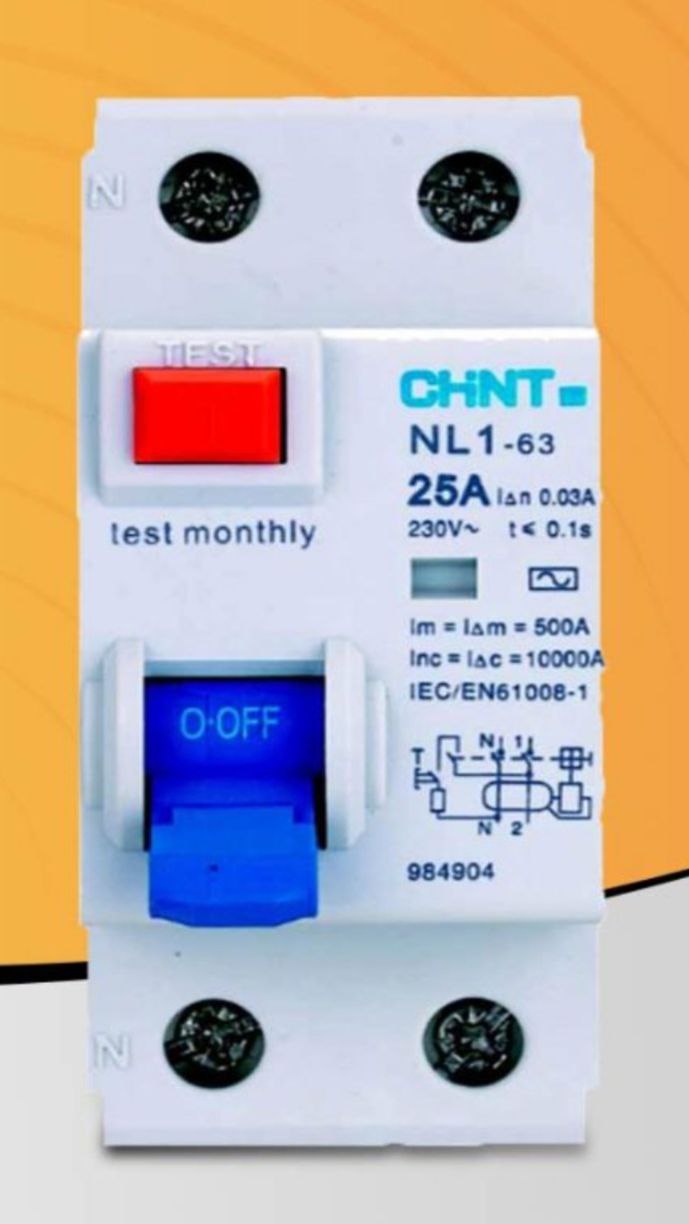
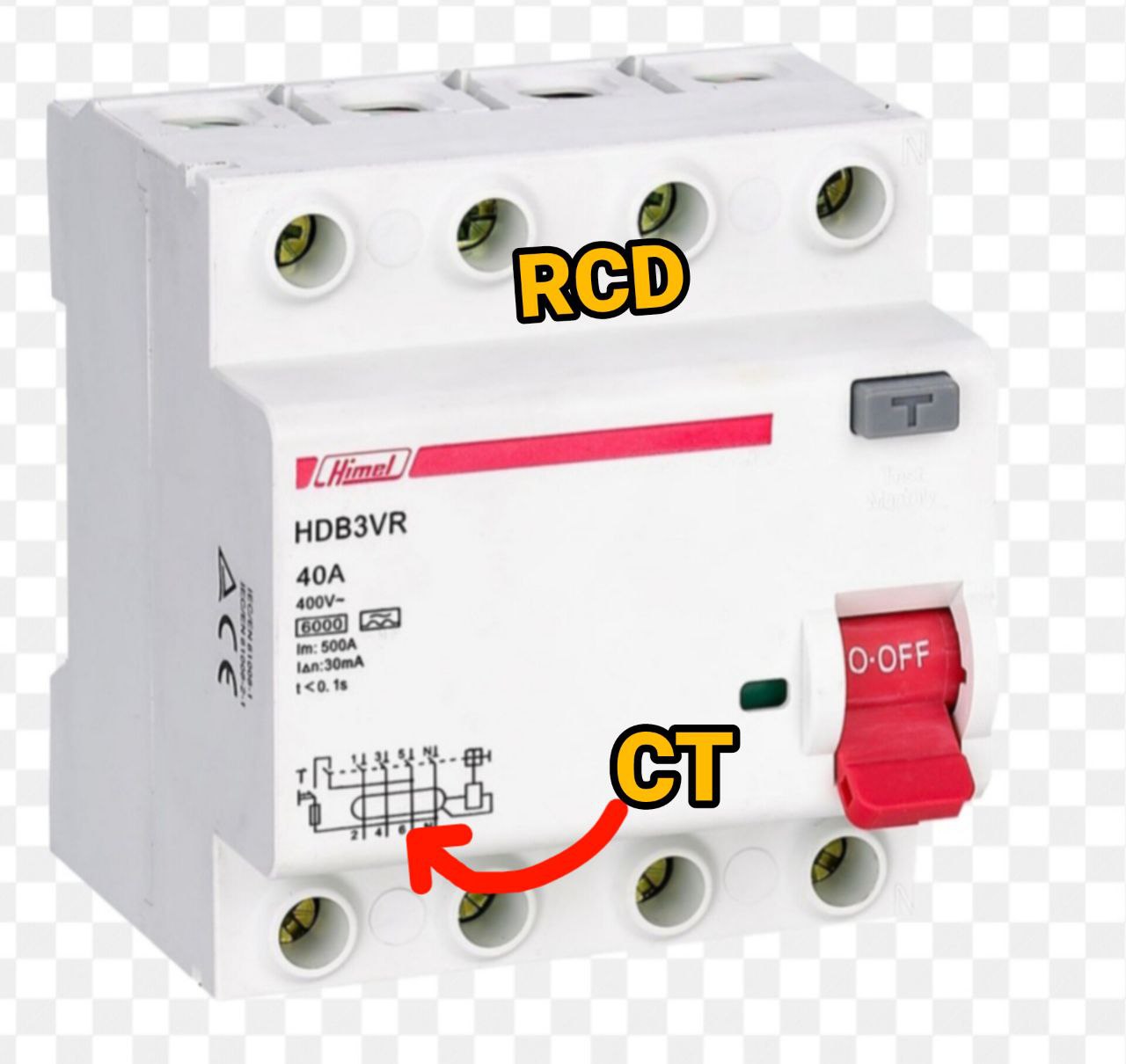
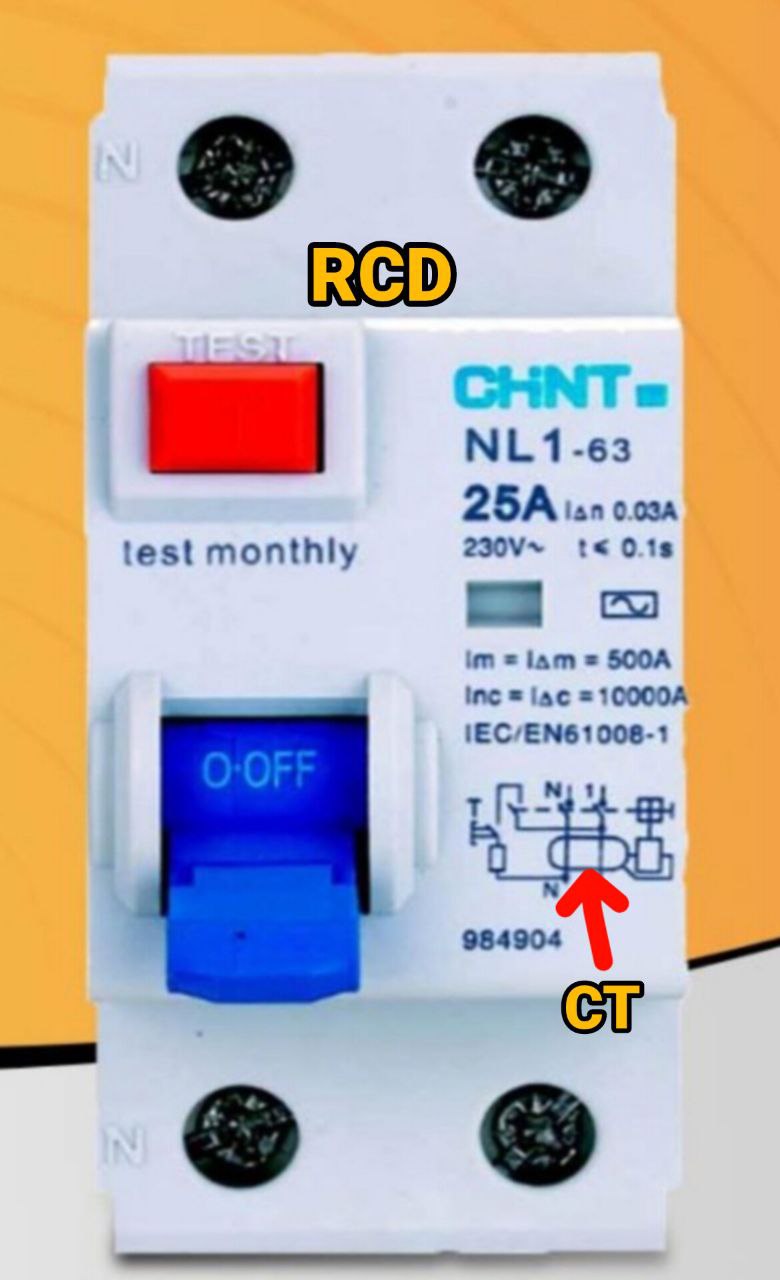
Residual Current Devices (RCDs) are a category of low-voltage circuit breakers that monitor the current flowing through phase and neutral conductors.
They disconnect the circuit when a residual (earth leakage) current is detected, providing protection against electric shock and reducing fire risk.
2. RCD Family:
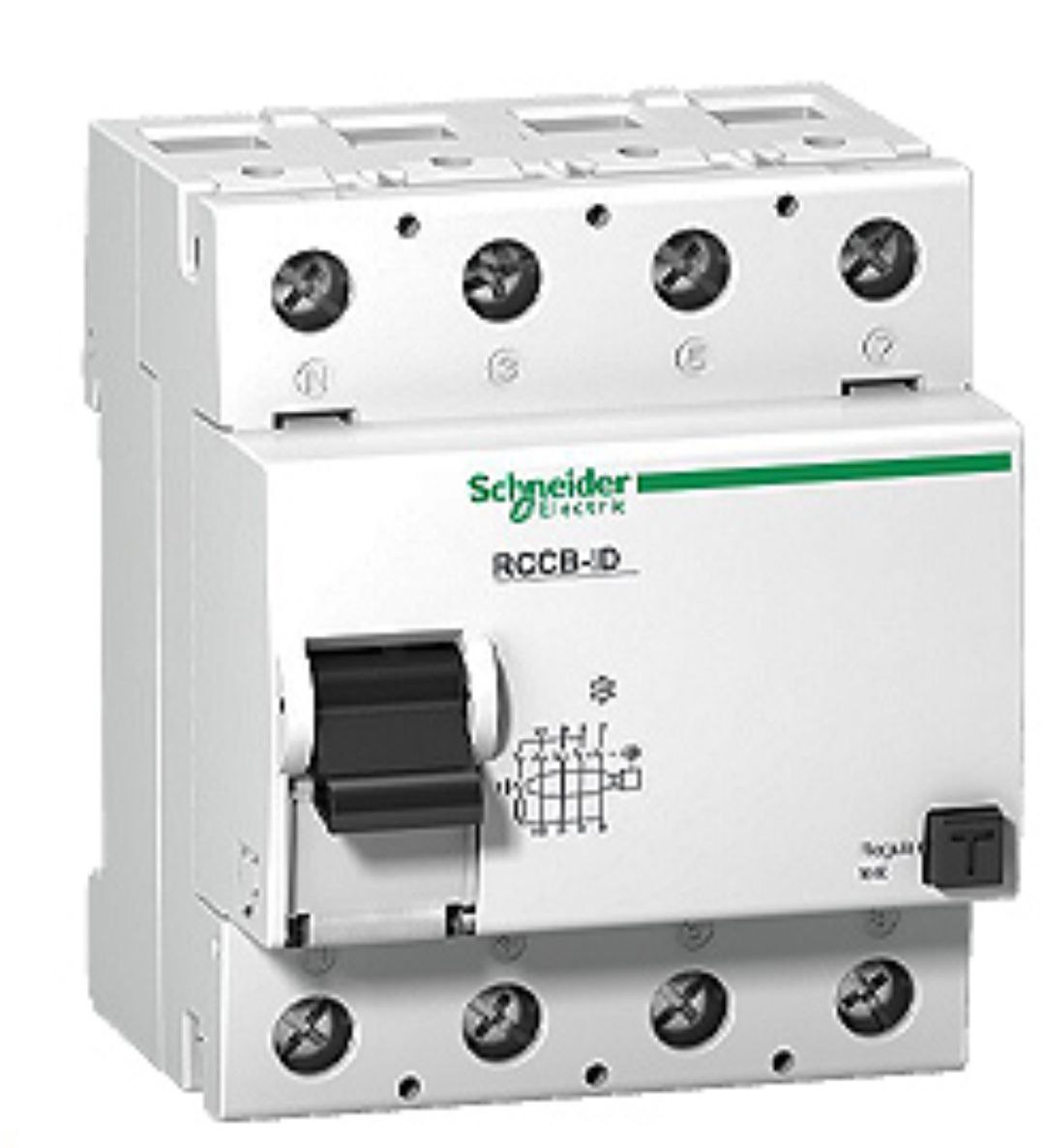
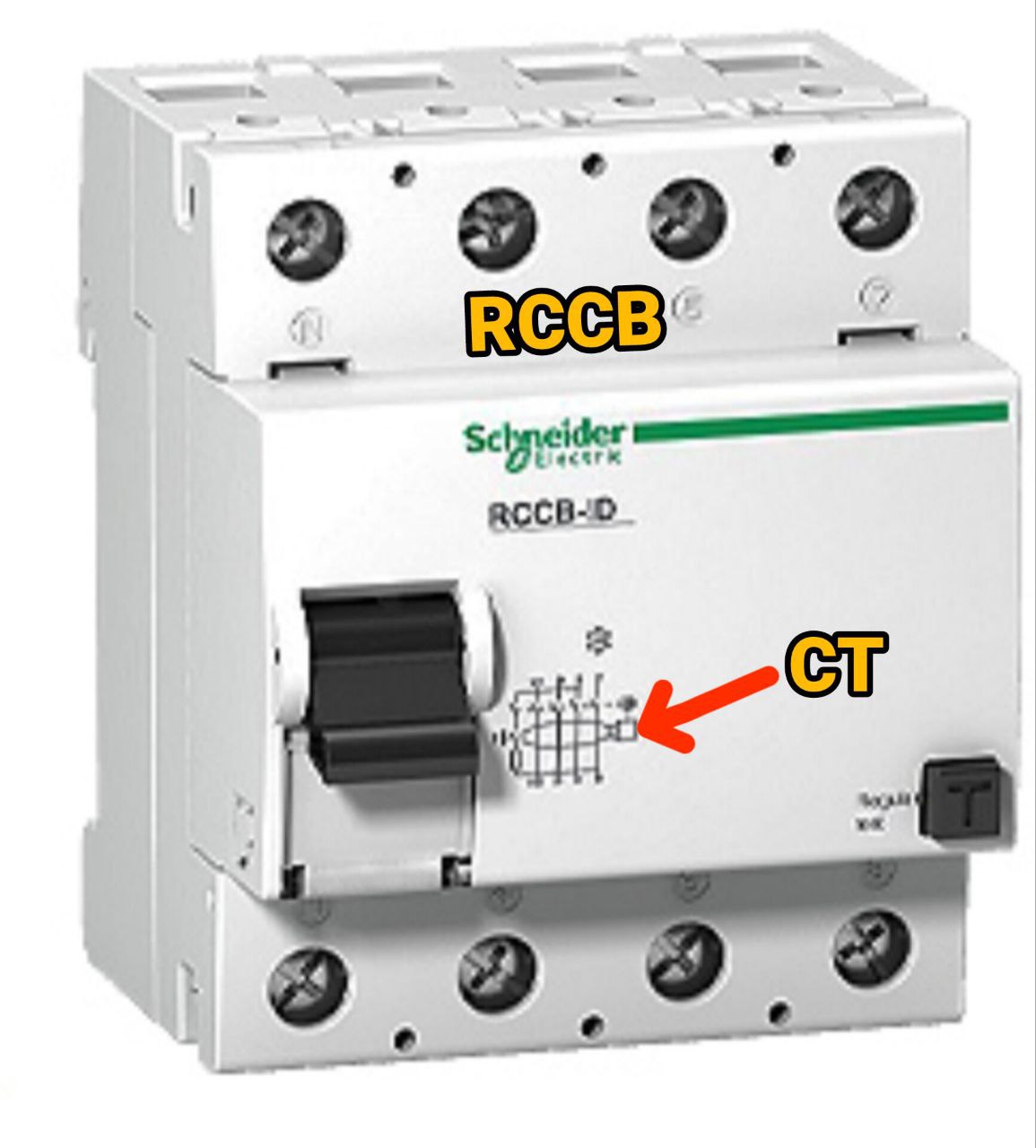
- RCCB – Residual Current Circuit Breaker (without overcurrent protection)
Standard: IEC 61008
Protection: Residual current only
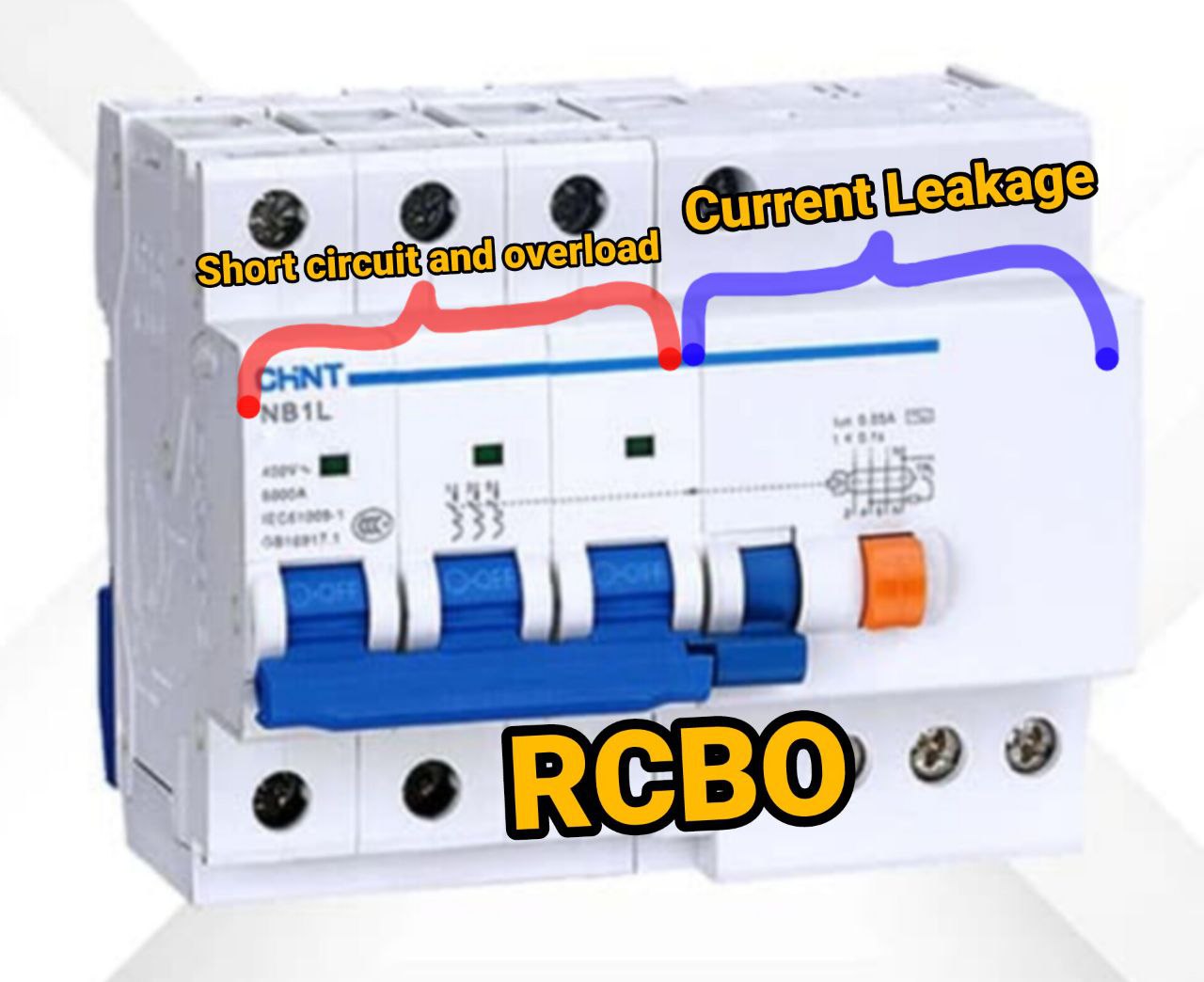
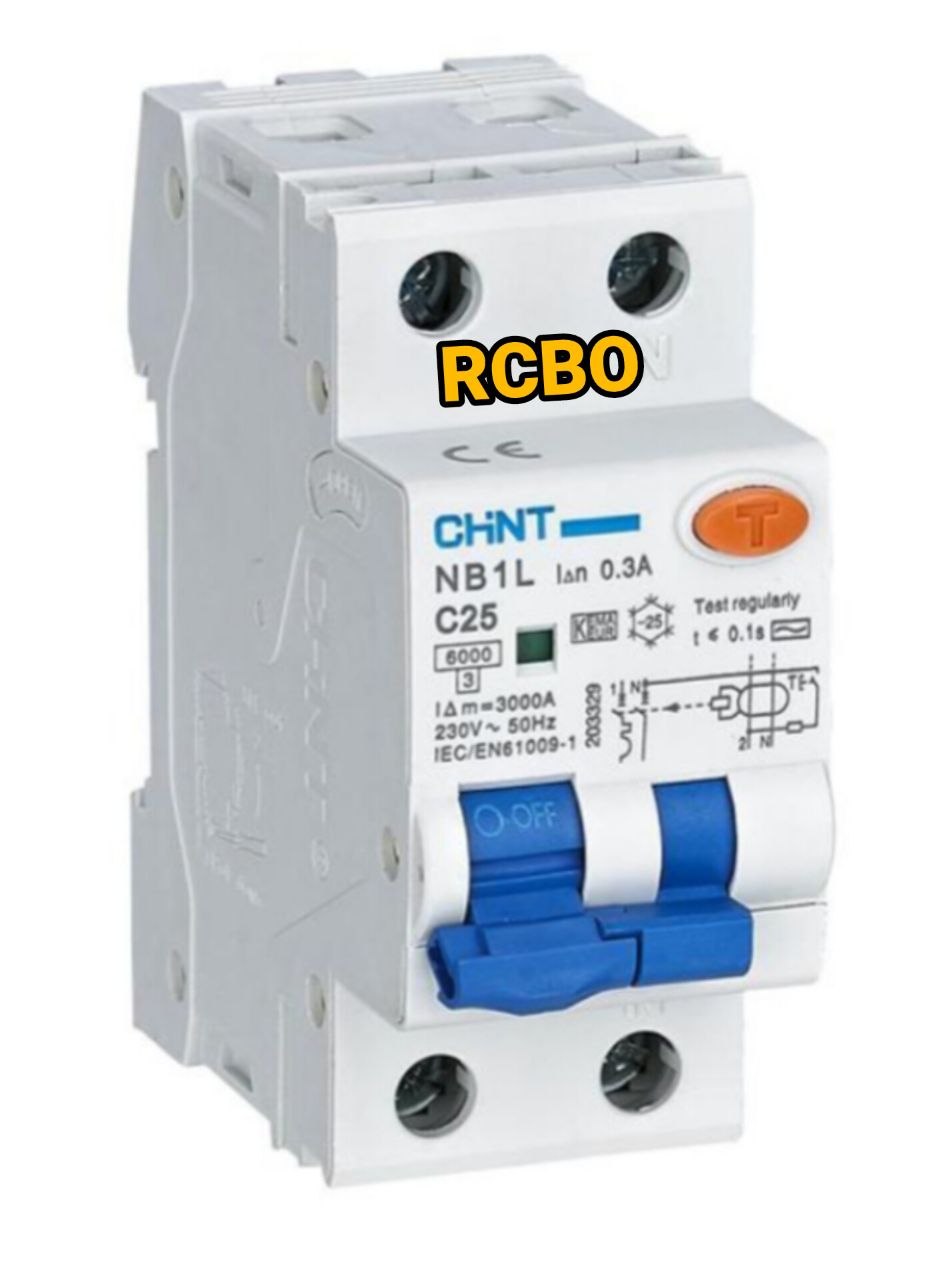
Note: Must be used with an MCB - RCBO – Residual Current Breaker with Overcurrent Protection
Standard: IEC 61009
Protection: Residual current, overload, and short-circuit
Note: Combines the functions of RCCB and MCB in a single device
This IEC-based classification is widely adopted by major international manufacturers and technical reference websites
3. Motor Protection Circuit Breaker (MPCB)
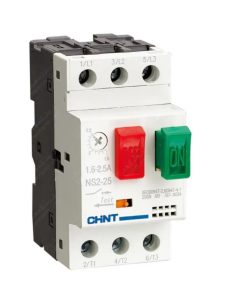
An MPCB protects electric motors from short-circuits and overloads. It complies with the IEC 60947-4-1 standard, primarily preventing fires caused by overheated wiring and motors.
Protection Functions:
- Thermal Relay: Trips on prolonged overcurrent, preventing motor burnout.
- Magnetic Relay: Instantly trips on high short-circuit current to stop fires.
Critical Safety Notes:
- Device Integrity: Never bypass or remove the MPCB—it is a primary safety device.
- Correct Sizing: The MPCB current rating must match the motor’s nameplate current. Wrong sizing = No protection.
- Do Not Ignore Trips: Frequent tripping signals a real fault. Repeated resetting without inspection can cause fire or shock.
- Professional Use: Installation and maintenance require a qualified electrician.
Standard Current Range: 0.16A to 160A.
4. Molded Case Circuit Breaker (MCCB) | Definition, Ratings, Breaking Capacity & Safety
What is an MCCB?
A Molded Case Circuit Breaker (MCCB), commonly called a breaker, is a low-voltage circuit protection device designed according to IEC 60947-2. It provides protection against overload currents (thermal protection) and short-circuit faults (magnetic protection). Some models also include an electronic trip unit for adjustable and precise protection.
MCCB stands for Molded Case Circuit Breaker and is widely used as the main incoming breaker in low-voltage distribution panels.
MCCBs are available in two types:
- Fixed (non-adjustable)
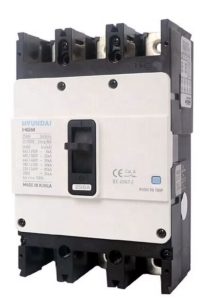
- Adjustable
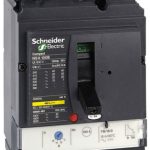
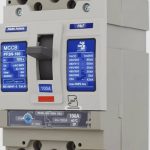
Key protection parameters include Ir, Im, Icu, and Ics, which are selected or adjusted based on load characteristics and network conditions.
The rated current range is typically 16 A to 1600 A, and the short-circuit breaking capacity usually ranges from 10 kA to 100 kA, depending on rated voltage and manufacturer design.
MCCBs are also classified into Category A and Category B based on performance.
Important Safety Considerations
The main breaker in low-voltage distribution panels should always be an MCCB.
Both rated current and short-circuit breaking capacity (Icu/Ics) must match the network’s prospective fault current.
Use standard copper busbars at incoming/outgoing terminals, with insulation covers.
Tighten all connections according to the manufacturer’s torque specifications.
Periodic inspection and testing are essential for reliable operation.